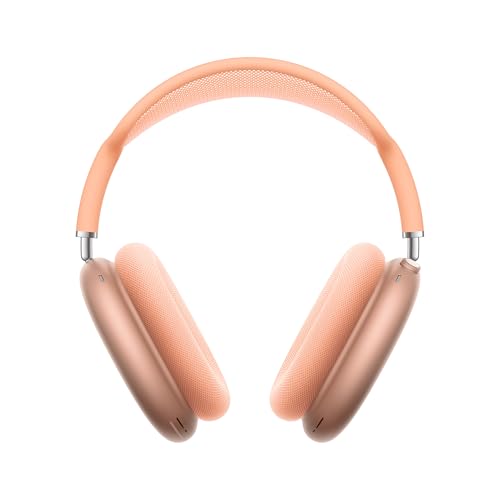
In-ear wireless
Useful when this use case matters more than a generic top pick.
See use-case analysis
Key points
- Real fit
- Dynamic selection
9 Models reviewed
Reviews and comparisons for Headphones, focused on sound signature and quality, comfort and wearability so you can choose by use case and budget.
These shortcuts come from the category's active use cases and stay in sync with each cohort analysis block.
Useful when this use case matters more than a generic top pick.
See use-case analysisUseful when this use case matters more than a generic top pick.
See use-case analysis Bose QuietComfort Ultra Headphones 2nd Gen
 Beats Studio Pro
 Bose QuietComfort Headphones
Search by text, sort products, and surface the key features that matter most to you.
8 products

No products match that search or filter combination.
We compare 9 published headphones models across catalog depth, editorial score, user average on a 0-100 scale, average price and the axes where each maker stands out.
Beats leads editorial average (86/100); Apple stands out with users (86/100); Beats has the lowest average price ($250).
Quick comparisons
Select 2 products to see the comparison in this section.
Use-case analysis
This section separates In-ear wireless within Headphones. Compact wireless earbuds that fit directly in the ear canal. The selection is hydrated from published reviews, current price context and editorial scoring.
 Beats Powerbeats Pro 2
Wireless · Bluetooth
Beats Powerbeats Pro 2
Wireless · Bluetooth
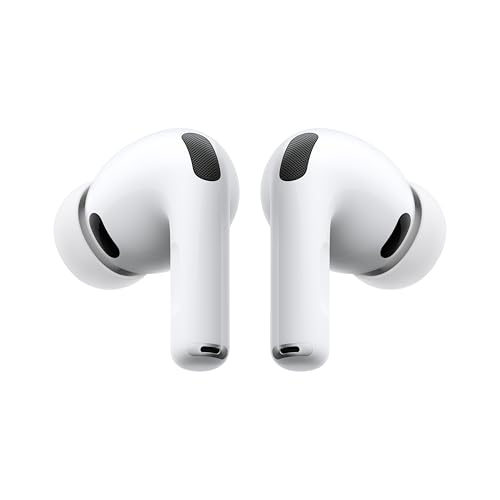 Apple AirPods Pro 3 Wireless Earbuds
Wireless · Bluetooth
Apple AirPods Pro 3 Wireless Earbuds
Wireless · Bluetooth
Updated: 2026-10-17 03:04 UTC
Use-case analysis
This section separates Over-ear closed-back within Headphones. Full-size headphones that cover the ears completely with closed ear cups. The selection is hydrated from published reviews, current price context and editorial scoring.
Bose QuietComfort Ultra Headphones 2nd Gen
Wireless · Bluetooth
Bose QuietComfort Headphones
Wireless · Bluetooth
Beats Studio Pro
Wireless · Bluetooth
Updated: 2026-10-17 03:04 UTC
Headphones split into a few clear buying paths: wireless ANC for commuting, open-back for home listening, and compact options for portability. The right choice usually comes down to sound signature, comfort, noise control, and whether the battery and connection fit your daily routine.
| Use case | Prioritize | Avoid paying more for |
|---|---|---|
| Daily commuter | Strong ANC, stable fit, good portability | Extra detail you will not hear on the train |
| Office worker | Bluetooth multipoint, comfort, clear mic | Fancy tuning that hurts call quality |
| Home listener | Soundstage, detail retrieval, long comfort | Wireless features you will never use |
| Active use | Secure fit, light weight, sweat resistance | Heavy cups and weak stability |
| Budget buyer | Balanced sound, reliable build, simple controls | Premium extras with little real-world gain |
This matters most if you care about bass weight, vocal clarity, or a more spacious presentation for music.
This is critical for long sessions, because clamp force, padding, and weight decide whether the headphones disappear or become tiring.
This matters most for commuting, shared offices, and other noisy places where outside sound is the main problem.
This matters if you wear them all day and want the real runtime with ANC on, not just the headline claim.
This matters if you switch between phone and laptop, or if dropouts and pairing friction would slow you down.
This matters most for office calls, voice chats, and any use case where your voice has to stay clear.
This matters if you want hinges, pads, and joints that hold up to daily use instead of feeling fragile.
This matters when you listen without ANC, or when you want less sound leakage in quiet rooms.
Strong bass can be fun, but if it is bloated or muddy it hides vocals and makes the whole sound less clear.
Too much headband force can cause headaches and ear pain during long sessions, even if the sound is good.
Advertised runtime often looks better than real use, especially with ANC, so the actual daily battery matters more.
If you work across phone and laptop, missing multipoint makes switching annoying and easy to get wrong.
Open-back headphones leak sound and block little noise, so they are a poor fit for commuting or shared spaces.
Severe delay can make videos feel out of sync and can make gaming frustrating or unusable.
We assess each model by real buyer fit, confirmed specs, current price, availability and visible customer feedback. The recommendation depends on whether sound, comfort and noise cancellation make sense for the way the product will actually be used.
For headphones we review documented evidence around sound profile, comfort, fit, ANC/isolation, battery, connectivity, controls, price, and user feedback when useful.
Weight 32%. Determines if the sound profile matches the buyer's music tastes and expectations.
Technical measures
Reading context
Common cautions
Weight 24%. Crucial for avoiding ear fatigue and pain during long listening sessions.
Technical measures
Reading context
Common cautions
Weight 22%. Decides how well the headphones block external distractions in noisy environments.
Technical measures
Reading context
Common cautions
Weight 22%. Impacts daily convenience and wireless reliability.
Technical measures
Reading context
Common cautions
Editorial judgement still leaves room for incomplete documentation, weak claims, or practical friction that a spec table does not fully capture.
A product can move down the list when strong headline specs are offset by weak setup, unclear maintenance, subscription friction, poor portability or accessory-only evidence. We do not treat spare parts, mounts, filters or unclear variants as complete products.
Start with the use case that matches your situation, then compare the specs and trade-offs that affect ownership. Prices, availability and new reviews can change the shortlist as better evidence appears.
Active noise cancellation is most effective against steady low-frequency sounds like engine rumble, air conditioning, and train noise. It is usually less effective on sudden voices, sharp sounds, and wind, so real-world performance matters more than the spec alone.
Comfort depends on clamp force, ear cup depth, padding, and weight. A good pair should feel stable without creating hot spots, headaches, or ear pressure after an hour or more of use.
Battery life with ANC enabled is usually shorter than the manufacturer’s maximum claim, sometimes by several hours. The most useful comparison is the tested runtime with ANC and Bluetooth both active, since that reflects daily use more accurately.
Bluetooth multipoint lets headphones stay connected to two devices at once, such as a phone and a laptop. It is useful for switching between calls, meetings, and music without reconnecting each time, but not all wireless headphones support it.
A balanced sound signature is the safest choice for most buyers because it keeps bass, vocals, and treble clear without exaggeration. If you want a more spacious and natural presentation for home listening, open-back headphones usually deliver better soundstage and detail, but they leak sound and do not isolate well.