Top 5 best value smartwatches (August 2026)
Compare value smartwatches with updated prices, editorial scores, technical data, and buyer satisfaction before choosing.
- 1
- 2
- 3
10 Models reviewed
Reviews and comparisons for Smartwatches, focused on compatibilidad con el móvil and actividad física y salud so you can choose by use case and budget.
Compare value smartwatches with updated prices, editorial scores, technical data, and buyer satisfaction before choosing.
These shortcuts come from the category's active use cases and stay in sync with each cohort analysis block.
Useful when this use case matters more than a generic top pick.
See use-case analysisUseful when this use case matters more than a generic top pick.
See use-case analysis
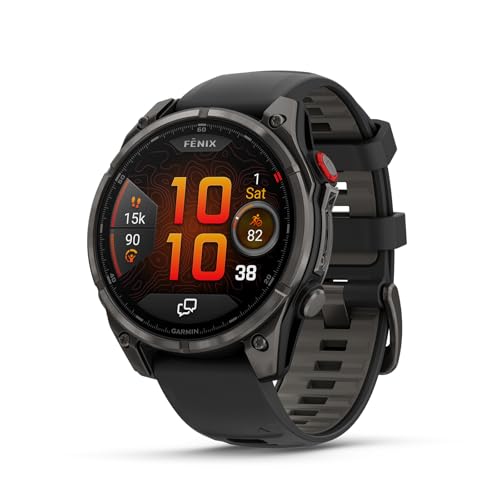
Garmin fenix 8 Pro 51mm AMOLED Sapphire
Garmin epix Pro Gen 2 Sapphire 47mm
Apple Watch Ultra 2 GPS Cellular 49mm
Search by text, sort products, and surface the key features that matter most to you.
9 products
No products match that search or filter combination.
We compare 10 published smartwatches models across catalog depth, editorial score, user average on a 0-100 scale, average price and the axes where each maker stands out.
Amazfit leads editorial average (84/100); Apple stands out with users (90/100); Amazfit has the lowest average price ($130).
Quick comparisons
Select 2 products to see the comparison in this section.
No products match that filter combination.
Use-case analysis
This section separates General lifestyle watch within Smartwatches. Watches mainly bought for notifications, calls, style, and general daily smartwatch convenience. The selection is hydrated from published reviews, current price context and editorial scoring.
Apple Watch Series 11 GPS Cellular 42mm Rose Gold
GPS · ECG
Apple Watch Series 11 GPS 42mm
GPS · ECG
Updated: 2026-08-19 02:57 UTC
Use-case analysis
This section separates Fitness and training watch within Smartwatches. Watches where exercise tracking, workouts, and health habits form the primary route. The selection is hydrated from published reviews, current price context and editorial scoring.
Updated: 2026-08-19 02:57 UTC
Use-case analysis
This section separates Outdoor GPS watch within Smartwatches. Watches where GPS, battery, water resistance, and outdoor confidence dominate the purchase route. The selection is hydrated from published reviews, current price context and editorial scoring.
Garmin fenix 8 Pro 51mm AMOLED Sapphire
AMOLED · GPS
Garmin epix Pro Gen 2 Sapphire 47mm
AMOLED · GPS
Apple Watch Ultra 2 GPS Cellular 49mm
GPS · LTE
Updated: 2026-08-19 02:57 UTC
Smartwatches split into a few clear routes: lifestyle convenience, training support, outdoor endurance, and budget notifications. The right choice depends less on sensor counts and more on phone compatibility, battery routine, comfort, and whether the watch’s core features actually fit how you will wear it every day.
| Use case | Prioritize | Avoid paying more for |
|---|---|---|
| Daily notifications | Phone compatibility, readable screen, quick replies | Fitness extras you will not use |
| Training and workouts | GPS, heart rate, workout modes | Casual wellness claims without clear tracking |
| Outdoor weekends | Battery life, GPS, water resistance | A rugged look with weak endurance |
| Budget alerts | Basic notifications, simple wellness, easy setup | Deep app ecosystems and premium sensors |
| All-day lifestyle | Comfort, calls, app support, display quality | Bulky cases and daily charging burden |
This matters most because the watch should feel native to your Android or iPhone, not just technically connected.
This matters when charging every day would make the watch annoying, especially with always-on display or GPS use.
This matters if you want believable workout, heart-rate, sleep, or run tracking instead of vague wellness claims.
This matters for runners, walkers, travelers, and outdoor users who need location tracking without relying on the phone.
This matters if the watch will stay on your wrist all day, including sleep and workouts.
This matters for sweat, rain, pool use, and active wear where weak resistance becomes a real limitation.
This matters if you expect the watch to handle calls or quick voice use without pulling out your phone.
This matters most for fast glances, outdoor readability, and making notifications useful at a glance.
A watch can look feature-rich but still feel awkward if its best functions are limited on your phone ecosystem.
Sensors only matter when the watch has a clear route for heart rate, GPS, or workout tracking you can actually use.
A watch that needs constant charging often gets worn less, which defeats the point of buying it.
A heavy or oversized case can make a watch unpleasant for all-day wear, sleep tracking, and workouts.
Outdoor use needs real battery, GPS, and resistance, not just a tough-looking shell.
Low-cost watches are usually best for alerts and basic wellness, not deep app integration or serious training support.
We assess each model by real buyer fit, confirmed specs, current price, availability and visible customer feedback. The recommendation depends on whether health tracking, battery and phone compatibility make sense for the way the product will actually be used.
For smartwatches we review documented evidence around phone ecosystem, health and sport sensors, battery, charging, comfort, build, price, and user feedback when useful.
Weight 25%. Compatibility and app support decide whether the watch feels naturally useful with the buyer's phone or merely technically connected.
Technical measures
Reading context
Common cautions
Weight 30%. Sensors only matter when they support believable tracking routes such as workouts, sleep, heart-rate routines, or outdoor use.
Technical measures
Reading context
Common cautions
Weight 25%. Charging burden should be weighed against screen quality, app depth, GPS use, and training value, because battery routine is one of the first real smartwatch frictions.
Technical measures
Reading context
Common cautions
Weight 20%. Comfort, size, and water resistance shape whether the watch is pleasant to wear for long stretches instead of becoming a feature-heavy object left on a charger.
Technical measures
Reading context
Common cautions
Editorial judgement still leaves room for incomplete documentation, weak claims, or practical friction that a spec table does not fully capture.
A product can move down the list when strong headline specs are offset by weak setup, unclear maintenance, subscription friction, poor portability or accessory-only evidence. We do not treat spare parts, mounts, filters or unclear variants as complete products.
Start with the use case that matches your situation, then compare the specs and trade-offs that affect ownership. Prices, availability and new reviews can change the shortlist as better evidence appears.
Start with ecosystem compatibility, because the best smartwatch is the one that works cleanly with your phone’s notifications, calls, and apps. If key features are limited on Android or iPhone, the watch may feel connected but not truly useful.
Often, yes, because battery and charging routine affect how often you actually wear the watch. A bright always-on display, LTE, and heavy GPS use can improve features but usually increase charging frequency.
Heart-rate, sleep, and wellness tracking are useful for trends, but they are not medical-grade unless the product explicitly states otherwise. Treat these features as habit and fitness tools, and be cautious with vague health claims that do not explain the sensor route clearly.
For workouts, look for credible GPS, steady heart-rate tracking, and training modes that match your activity. That matters more than a long feature list, because casual step counting is not the same as reliable run, ride, or gym tracking.
Choose an outdoor GPS watch when battery endurance, durability, water resistance, and location tracking are the main reasons to buy. If the watch is mostly a normal smartwatch with one rugged feature, it may not justify the trade-offs in size or comfort.
Budget models are best for basic notifications, step counting, and simple wellness tracking. They are a poor fit if you want deep app support, strong calling features, or serious training performance.